Home / Articles
Who Is a Candidate for Orthodontic Treatment
Home / Articles
Who Is a Candidate for Orthodontic Treatment
Crooked teeth and misaligned bites are among the most common dental concerns that patients of all ages bring to their dentist. Yet orthodontic treatment — the branch of dentistry dedicated to correcting these issues — is still widely misunderstood. Many adults assume it is only for teenagers, while some parents wonder whether their child is too young to begin. The reality is more nuanced, and getting an accurate evaluation early can make a meaningful difference in both oral health and long-term quality of life.
At Origin Dental Clinic in Gangnam-gu, Seoul, the orthodontic program is led by Dr. Dong-ok Kang, a Ministry of Health and Welfare–certified specialist with an integrated Master's and Doctoral degree in Orthodontics from Yonsei University. This article draws on the clinic's clinical approach to explain who may benefit from orthodontic treatment, what the process looks like, and what patients can realistically expect.
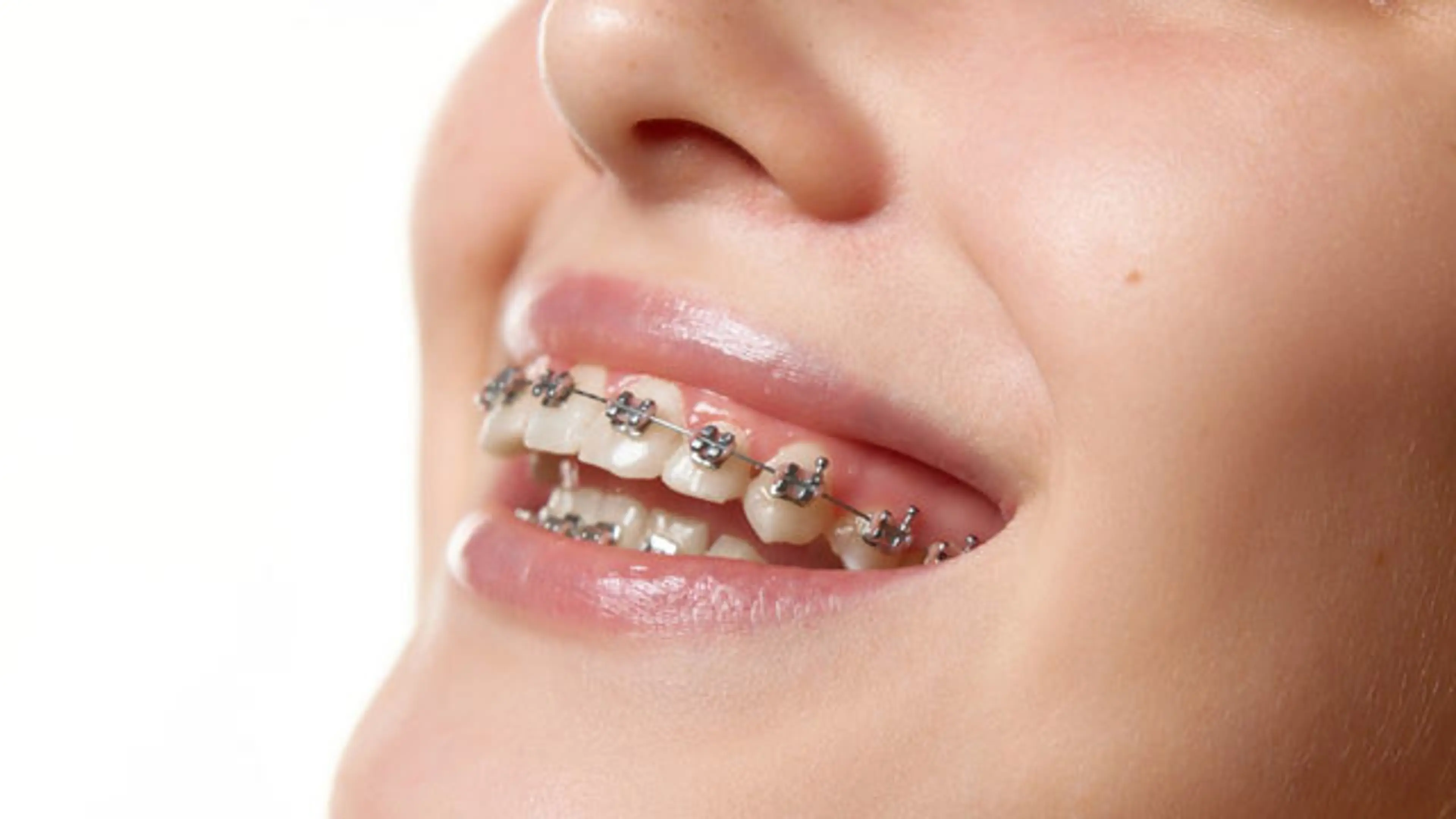
Orthodontic treatment uses carefully calibrated appliances — braces, aligners, or retainers — to move teeth gradually into better alignment and correct the relationship between the upper and lower jaws. The goal is not purely cosmetic. Misaligned teeth and improper bites (malocclusions) can contribute to uneven wear, difficulty chewing, temporomandibular joint (TMJ) discomfort, and challenges maintaining adequate oral hygiene.
Modern orthodontics offers a range of appliance types suited to different lifestyles and clinical needs. At Origin Dental Clinic, available options include Clippy-C self-ligating ceramic braces, standard ceramic brackets, Secret lingual braces (worn on the inside surface of the teeth), and clear aligner therapy. The right choice depends on the nature of the misalignment, the patient's daily routine, and personal preference — all factors discussed openly during the consultation process.
Orthodontic treatment is typically recommended for the following presentations:
The Korean Association of Orthodontists, in line with international guidance, recommends that children receive an orthodontic screening by around age seven. At this stage, the first permanent molars have typically erupted, giving a specialist enough information to assess jaw development and identify problems that may be easier to correct while growth is still occurring.
Not every child needs treatment at this age. In many cases, the recommendation is simply to monitor development and begin active treatment later, usually during early adolescence when most permanent teeth are in place. However, certain conditions — such as significant crossbites or habits that are actively influencing jaw shape — benefit from earlier intervention.
Orthodontic treatment is entirely appropriate for adults, and the proportion of adult patients in orthodontic practices has grown considerably in recent years. Tooth movement is possible at any age, provided the teeth and supporting bone are healthy. Adults considering treatment should be aware that treatment times may differ from those in younger patients, and that pre-existing gum disease or bone loss requires management before orthodontic forces are applied.
For adults who feel self-conscious about the visibility of braces, lingual appliances worn on the inner surface of the teeth or clear aligner systems offer discreet alternatives that can be highly effective for a wide range of cases.
Orthodontic and restorative treatments are frequently planned together. A patient who needs implants to replace missing teeth, for example, may first require orthodontic treatment to create adequate space and ensure the surrounding teeth are properly positioned. Similarly, patients with gum disease are typically treated periodontally before orthodontics begins, and ongoing periodontal monitoring continues throughout treatment.
Dr. Kang completed her orthodontic residency at Chung-Ang University Hospital and holds an integrated Master's and Doctoral degree in Orthodontics from Yonsei University, one of Korea's most respected academic institutions. She is a Ministry of Health and Welfare–certified specialist in integrated dentistry and a certified provider of German Incognito lingual orthodontics — a sophisticated system designed to be entirely invisible from the front.
Her continued participation in national orthodontic conferences reflects a commitment to evidence-informed practice that extends beyond day-to-day clinical work. Patients at Origin Dental Clinic benefit from this depth of specialist training alongside the broader multidisciplinary expertise available within the practice.
Orthodontic treatment rarely exists in isolation. At Origin Dental Clinic, the orthodontics program sits alongside implant dentistry led by founder Dr. Noh Gak-gyun (who completed postgraduate training at Columbia University School of Dentistry), periodontal therapy, and advanced oral diagnostics. This integration means that if a patient's treatment plan requires input from multiple specialties, coordination happens within a single clinical team — reducing the need for external referrals and ensuring that each element of care is informed by the others.
The clinic's GENE Program, for instance, provides bacterial profiling that informs periodontal management during orthodontic treatment, a level of precision that is available at very few clinics in Korea.
Orthodontic treatment is a well-established intervention with a strong safety record when delivered by qualified specialists using appropriate diagnostic protocols. Patients should be aware that:
Mild discomfort after adjustments is normal and typically resolves within a few days.
Good oral hygiene is more important — and requires more effort — during treatment. The care team provides detailed instruction.
Treatment timelines vary. Mild alignment issues may resolve in under a year; complex cases involving jaw discrepancies or combined restorative work may take longer.
Results are stable when retention guidance is followed consistently.
An honest discussion of expected outcomes and timelines is a standard part of the consultation process at Origin Dental Clinic, consistent with the practice's commitment to transparent, patient-centred care.