Home / Articles
What to Know About Dental Implants with the Origin Implant System
Home / Articles
What to Know About Dental Implants with the Origin Implant System
Losing a tooth — whether from decay, injury, or advancing gum disease — affects far more than appearance. It can alter bite mechanics, accelerate jawbone loss, and affect how confidently a person speaks or eats. Dental implants have become one of the most evidence-supported long-term solutions for tooth replacement, and for patients in Seoul, Origin Dental Clinic in Gangnam-gu offers a structured, specialist-led approach to implant care that prioritises both clinical precision and patient understanding.
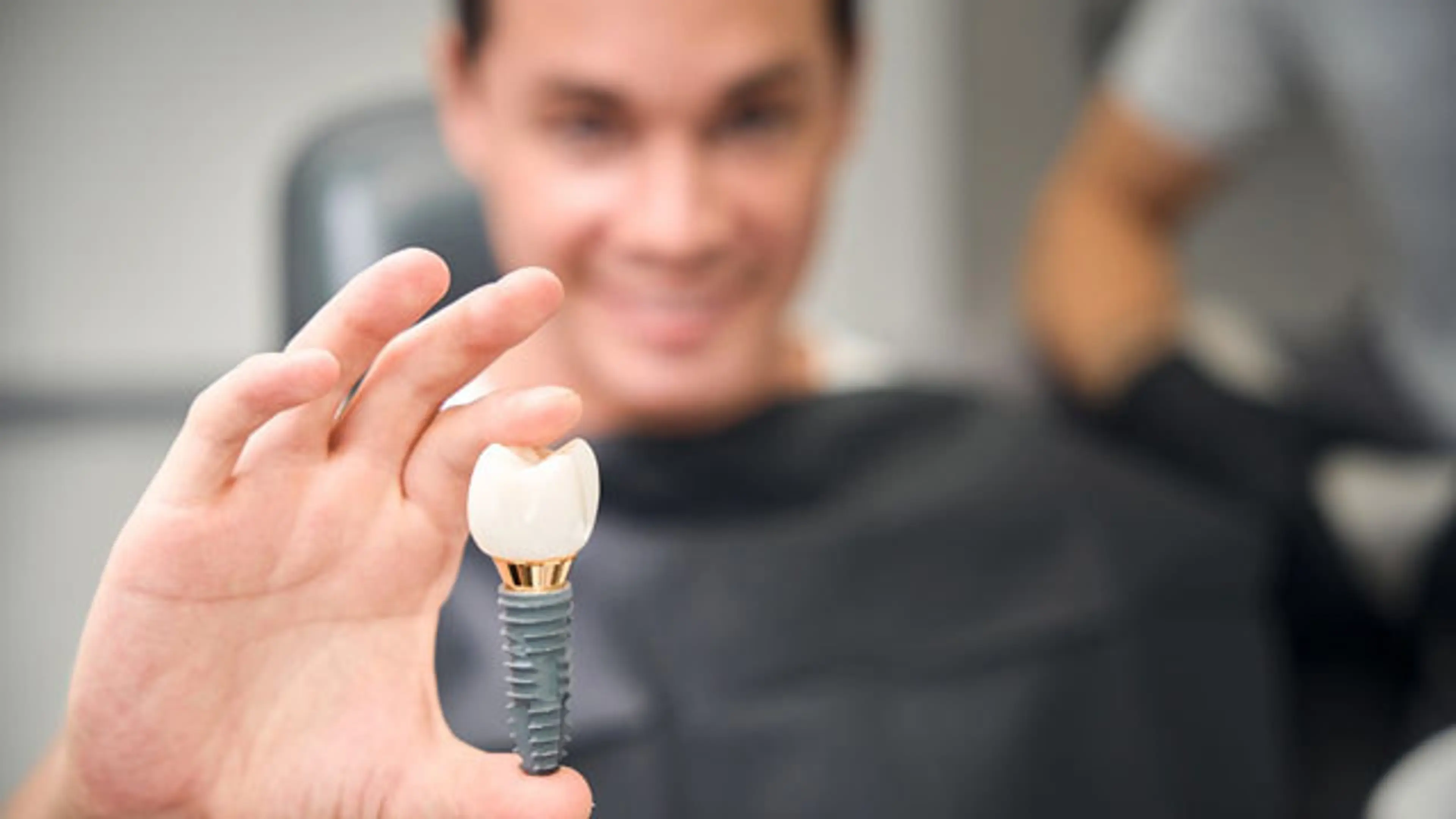
A dental implant is a small titanium post placed into the jawbone to serve as an artificial tooth root. Once the implant integrates with the surrounding bone — a process called osseointegration — a custom crown is attached, restoring the appearance and function of a natural tooth.
Unlike dentures or bridges, implants address the root cause of tooth loss consequences: bone resorption. When a tooth is lost, the jawbone beneath it gradually loses density because it no longer receives the stimulation it needs. An implant replicates that stimulation, helping to preserve bone volume over time.
This is why the bone condition of a prospective patient is one of the most important factors a specialist evaluates before treatment begins.
Origin Dental Clinic provides three primary categories of implant treatment, each matched to different clinical scenarios:
For patients with sufficient jawbone density and healthy gum tissue, a standard implant procedure involves placing a titanium fixture directly into the bone, allowing it to integrate over several months before a permanent crown is fitted. This is the most straightforward pathway and generally carries the most predictable outcomes.
The upper back jaw presents a particular challenge: the maxillary sinuses sit close to the bone, leaving limited depth for implant placement. A sinus-lift procedure carefully elevates the sinus membrane and adds bone grafting material to create the necessary height. This allows patients who would otherwise be considered unsuitable for upper-jaw implants to proceed with treatment safely.
When bone loss is more significant — whether from prolonged tooth absence, periodontal disease, or other causes — bone grafting is required before or alongside implant placement. Origin Dental Clinic works with four categories of grafting material:
The choice of grafting material depends on the patient's clinical needs, medical history, and the extent of bone deficiency — and is always discussed transparently before any procedure begins.
Most healthy adults who have lost one or more teeth are potential candidates for implant treatment, though a thorough assessment is essential. Candidates are typically evaluated on several criteria:
Origin Dental Clinic also provides dedicated implant assessment and ongoing maintenance programs for patients aged 65 and older, with access to nationally insured treatment options for eligible seniors.
A well-planned implant procedure at Origin Dental Clinic follows a structured sequence:
Origin Dental Clinic was founded by Dr. Noh Gak-gyun, a prosthodontics and implant dentistry specialist with postgraduate training at Columbia University School of Dentistry in New York and published contributions to peer-reviewed dental literature. Dr. Noh holds membership in the Korean Academy of Prosthodontics and Aesthetic Dentistry and is accredited by both Osstem and NeoImplant Clinical Research Centers.
Prosthodontics — the specialty concerned with restoring and replacing teeth — is directly relevant to implant dentistry, encompassing not only the surgical elements but the restoration design, bite analysis, and long-term functional outcomes that determine whether an implant succeeds over decades of use.
One aspect of implant care that is frequently underemphasised in general practice is the relationship between gum health and implant longevity. Research consistently shows that patients with a history of periodontitis face a higher long-term risk of peri-implantitis — inflammation around an implant that can lead to bone loss and eventual failure if not managed.
Origin Dental Clinic addresses this directly through its Periodontal Improvement Solution, which combines clinical gum treatment with personalised homecare coaching and the GENE Program's bacterial profiling. Treating the periodontal environment before and after implant placement is considered an integral part of the implant pathway, not a separate or optional service.
Most patients resume normal daily activities within a few days of implant surgery. Swelling and mild discomfort are common in the first 48 to 72 hours and are managed with standard pain relief. More involved procedures involving bone grafting or sinus lifts require a longer initial recovery and an extended osseointegration period.
Realistic expectations matter. Implants placed in adequate bone with well-controlled gum health, by an experienced specialist, carry high long-term success rates documented in the clinical literature. However, no procedure is without risk, and outcomes depend on individual factors including bone quality, systemic health, oral hygiene, and commitment to follow-up care.
The team at Origin Dental Clinic communicates these realities openly at every stage, in keeping with the clinic's stated commitment to transparency in diagnosis and treatment planning.